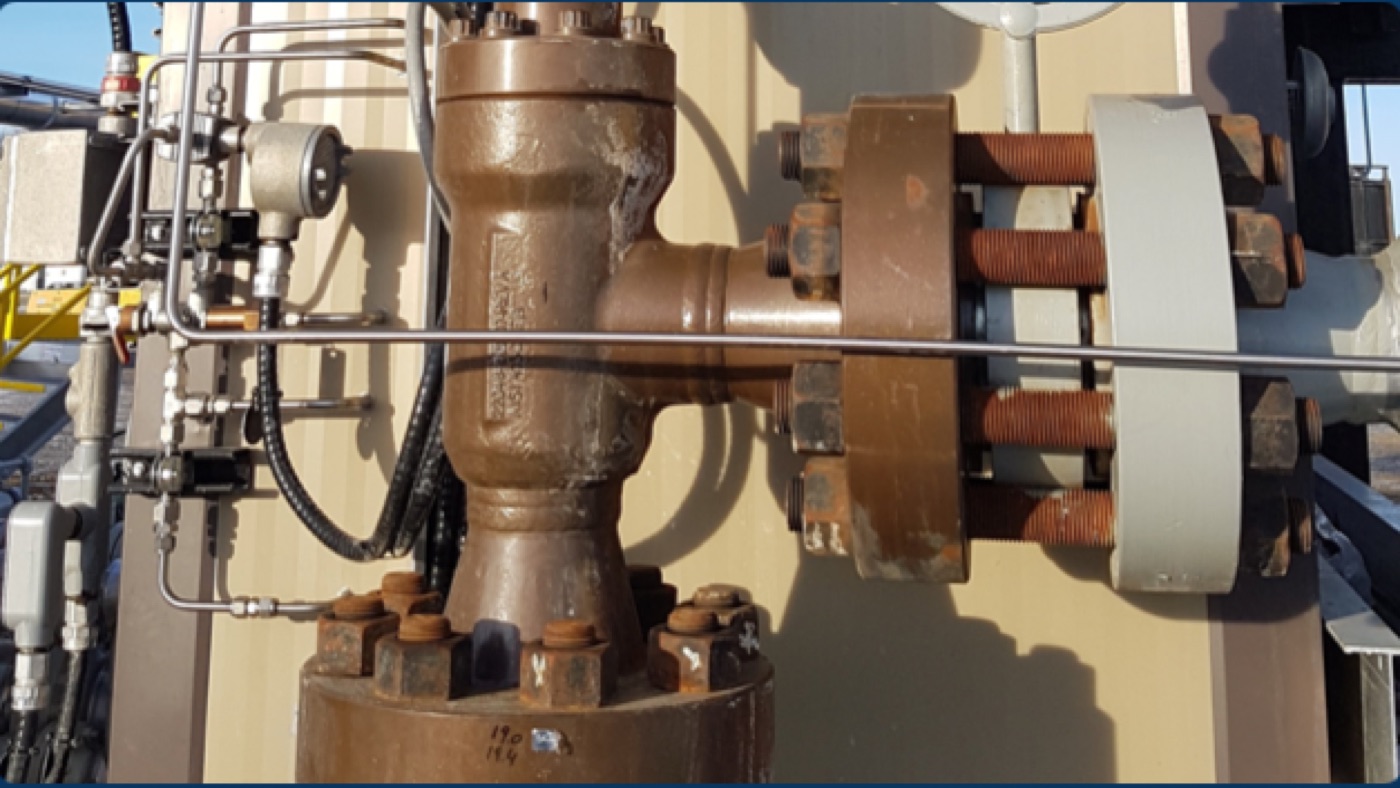
In the engineering world, reading P&IDs is fundamental. And while knowing how to read a P&ID is a great start, I’ve found it’s not enough to really understand what’s going on in the field.
Too often, I meet engineers who can decipher every symbol on paper but get lost when standing in front of the actual equipment. For me, the real knowledge comes from asking three simple questions:
What is it? Why is it there? How does it work?
This mindset has become my compass in navigating complex facilities. Instead of rushing to answer technical questions to prove what I know, I’ve learned to ask better questions—ones that lead to deeper understanding, not just surface-level recall. As Carl Sagan wisely said, “The enemy of knowledge is not ignorance, it is the illusion of knowledge.”
Piping and Instrumentation: Know the Lines
As the name Piping and Instrumentation Diagram suggests, P&IDs depict two distinct types of systems:
- Piping lines: These carry process fluids such as produced oil, gas, water, or injection gas.
- Instrumentation lines: These can be pneumatic, hydraulic, or electrical signals that control equipment or sending data.
The real learning happens not on paper or screen, but by walking the lines in the field. Following these lines physically, valve to flange and choke to manifold, teaches you more than any manual can. It’s not uncommon to find mismatches or non-compliance in the field, which can be critical.
Valves: They Are Everywhere
When you look at a valve, ask yourself:
- What type is it? (Gate, globe, ball, needle, plug…)
- What kind of actuator? (Pneumatic, hydraulic, electric?). Oh, and don’t forget that hydraulic pump that actuates your valve needs to be powered by something…
- Is it fail-safe? (Fail open or closed?)
- Does it have position feedback or remote control?
- What does the nameplate say? Is it Safety Critical Equipment (SCE)? When was it last tested?
- Is it bidirectional? Incorrect field installation happens!
- Is it a vent, drain, or bypass valve? And why is there a bypass?
Every valve tells a story about process safety, or operational redundancy. Know how to read that story.
Chokes: Control Flow and Pressure
Production engineers, know your chokes! Know the pressure drop, understand the flow regulation
- Is it a fixed or adjustable, inline or angle?
- Is it bidirectional or unidirectional?
- What does a 32/64” bean mean?
- What’s the relationship between stem position and choke coefficient?
- Is the choke manually operated or actuated? (Same actuation types as valves.)
Chokes are often treated as consumables, but knowing when to replace one is not black and white. It depends on performance and application. A passing choke may be acceptable. A leaking one? Not so much.
Chokes are designed to regulate flow or pressure, while valves are primarily used to isolate. Both need function testing, but only valves require barrier or integrity testing. Why the difference? That’s worth exploring.
Regulators and Control Valves: Often Overlooked
They are also everywhere and very important
- How does a pressure regulator work?
- What’s its operating range? Understand seat-load drop, “droop” and choked flow
- Does it maintain upstream or downstream pressure?
- How do control valves interact with instrumentation?
- What are the control philosophies behind their placement?
Putting It Together: The Field Test
Every field engineer eventually faces a challenge like this:
“Hey smart engineer, you’re always asking us to bring a well online. Why don’t you show us how it’s done?”
Where do you start? Do you know the well control system? The startup sequence? Was the well shut in manually, via remote/local ESD, or isolated with DBB? Each scenario might require a different reactivation process.
For example, if the well was ESD’d, the restart might begin from the SSSV (subsurface safety valve), then proceed to surface-actuated valves. Why that order? Understanding how SSSVs work helps. Some have self-equalization ports; others don’t.
Now consider a “blank start”, when all process and instrument lines were depressured. That’s when you need your operators more than ever.
And that bypass line? If there’s a large pressure differential across a valve or choke, your cheeky operator might challenge you to open it? Hey look at those hands, too soft for field works! Unless you’re Ironman, some 5M or 10M valves are beasts. Don’t underestimate the forces at play.
Finding bottlenecks can feel like a treasure hunt. Where are the pressure drops? Are they expected at chokes and valves, or is there an unexpected restriction in the line?
Final Thought
Reading a P&ID is a skill. But knowing what you’re looking at in the field, and why it’s there, is what makes an engineer valuable. So next time you’re on site, don’t just walk past the lines, walk the lines. Let curiosity guide you, not just compliance.
P.S. There’s a lot more out there than I could cover in one post. Let your curiosity lead the way. The field is your classroom.
#ProductionEngineering #FieldOperations #ProcessSafety #Instrumentation #ProcessEngineering #Facilities #WellOperations #Valve #WellControlSystem