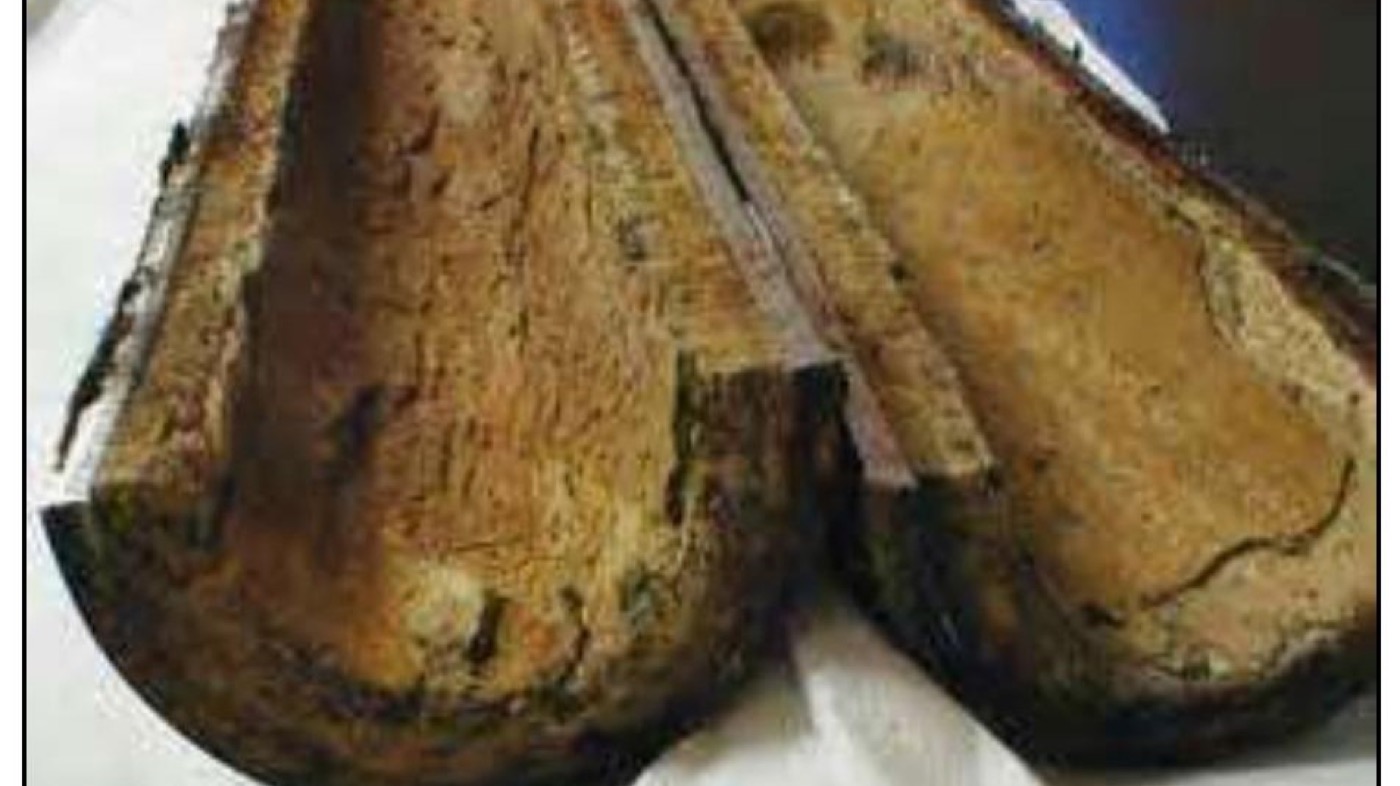
In oil and gas production, few flow assurance challenges are as stubborn as paraffin wax deposition. Left unchecked, it silently reduces pipeline capacity, drives up operating costs, and in severe cases, brings production to a standstill.
To manage wax effectively, we must first understand how it forms, then explore field management strategies, and finally use the right laboratory tools to measure and predict its behaviour.
🔬 How Wax Deposition Happens
When crude oil cools below its Wax Appearance Temperature (WAT), paraffin hydrocarbons begin to crystallise. What follows is a complex interplay of mechanisms:
- **Nucleation and Growth:**Small clusters of wax molecules act as nuclei. Larger chains attach, forming crystals that grow in size.
- **Molecular Diffusion:**A temperature gradient forms between the warmer oil core and the cooler pipe wall. Dissolved wax molecules diffuse toward the cold wall and precipitate.
- **Shear-Induced Deposition:**wax particles attach to pipe walls under low flow conditions.
- **Mechanical Entrapment:**Once a deposit forms, it traps more crystals, building a thick, porous wax layer
Together, these mechanisms gradually reduce effective pipeline diameter, increasing pressure drop and pumping requirements. A classic flow assurance risk.
🛠️ Managing Wax in the Field
Wax management is never a one-size-fits-all approach. Operators combine chemical, thermal, and mechanical methods depending on crude properties and field design.
Chemical Inhibitors & Dispersants:
- Pour Point Depressants (PPDs) modify wax crystal structure, reducing interlocking.
- Dispersants (surfactants) keep wax suspended in the oil phase, reducing deposition.
Thermal Methods:
- Pipeline insulation, direct heating, or electrically heated flowlines keep fluids above WAT.
- Re-injection of hot fluids (or blending with light condensates) helps maintain temperatures.
Mechanical Removal:
- Pigging campaigns physically scrape wax deposits from pipelines.
- In subsea fields, pigging is often paired with chemical treatments for efficiency.
Cold Flow Concepts:
- Instead of preventing wax, some strategies allow controlled crystal formation but maintain slurry transport to avoid deposition.
Effective wax management starts at field design, not after problems arise. The key is to balance CAPEX-heavy thermal solutions with OPEX-heavy chemical or pigging programs.
🧪 Laboratory Tests: Measuring Wax Behaviour
We need quantitative measurements to design mitigation strategies. Key lab methods include:
1. Wax Appearance Temperature (WAT) / Cloud Point
What it is: The temperature where the first wax crystals appear.
How it’s measured:
- Cross-polarised microscopy detects birefringent crystals.
- Differential Scanning Calorimetry (DSC) picks up thermal events as wax crystallises.
- Viscometry shows a sudden viscosity rise as crystals form.
Why it matters: Defines safe operating envelopes for pipelines and facilities.
2. Pour Point
What it is: The lowest temperature at which oil still flows under gravity.
How it’s measured (ASTM D97): The oil sample is cooled stepwise and tilted until flow ceases.
Why it matters: Critical for transport, storage, and winter operations.
3. Cold Finger Test
What it is: A cooled surface (the “finger”) is immersed in hot crude. Wax deposits form on it.
Why it matters: Simulates wax build-up in pipelines and allows testing of wax inhibitors or dispersants.
⚙️ Why It All Matters
These lab tests form the foundation of flow assurance planning.
- WAT tells us when wax first appears.
- Pour point indicates how pumpable crude remains under cold conditions.
- Cold finger tests help evaluate rate of wax deposition
By combining these insights with modelling, engineers can decide on insulation, heating, pigging frequency, or chemical injection.
🌏 Looking Forward
As subsea tiebacks get longer and colder, wax control becomes a strategic enabler rather than just an operational afterthought. New developments, from environmentally friendly wax inhibitors to predictive digital twins, are making it possible to tackle wax challenges more sustainably and cost-effectively.