Following my recent post on Gas Lift, I want to explore an intriguing follow-up question: “Can we ‘gas lift’ low GOR wells using high GOR wells within a liquid-dominant pipeline stream?” t might sound unconventional, but I’ve seen this work effectively in practice!
Here are some practical insights (no fancy pipeline models needed, just good old-fashioned petroleum engineering):
- Gas Entry Matters: Like conventional gas lift, the lower the injection point (or entry point for high GOR wells), the more effective the lift. Introducing high-GOR wells lower in pipeline topography helps lighten the fluid column, significantly reducing backpressure. However, careful balancing is essential as too much gas could shift the system into friction-dominated conditions, raising rather than lowering pressures.
- Managing High-GOR Wells: Interestingly, high-GOR wells positioned near the top might need choking, or even shutting in, to optimise oil throughput (someone’s uptime KPI might not like it, but your production team will thank you!).
- Flow Assurance Essentials: Restricting flow from high-GOR wells can trigger cooling, introducing flow assurance issues like hydrate or wax formation. Effective management strategies, including chemical inhibitors and temperature control, are critical.
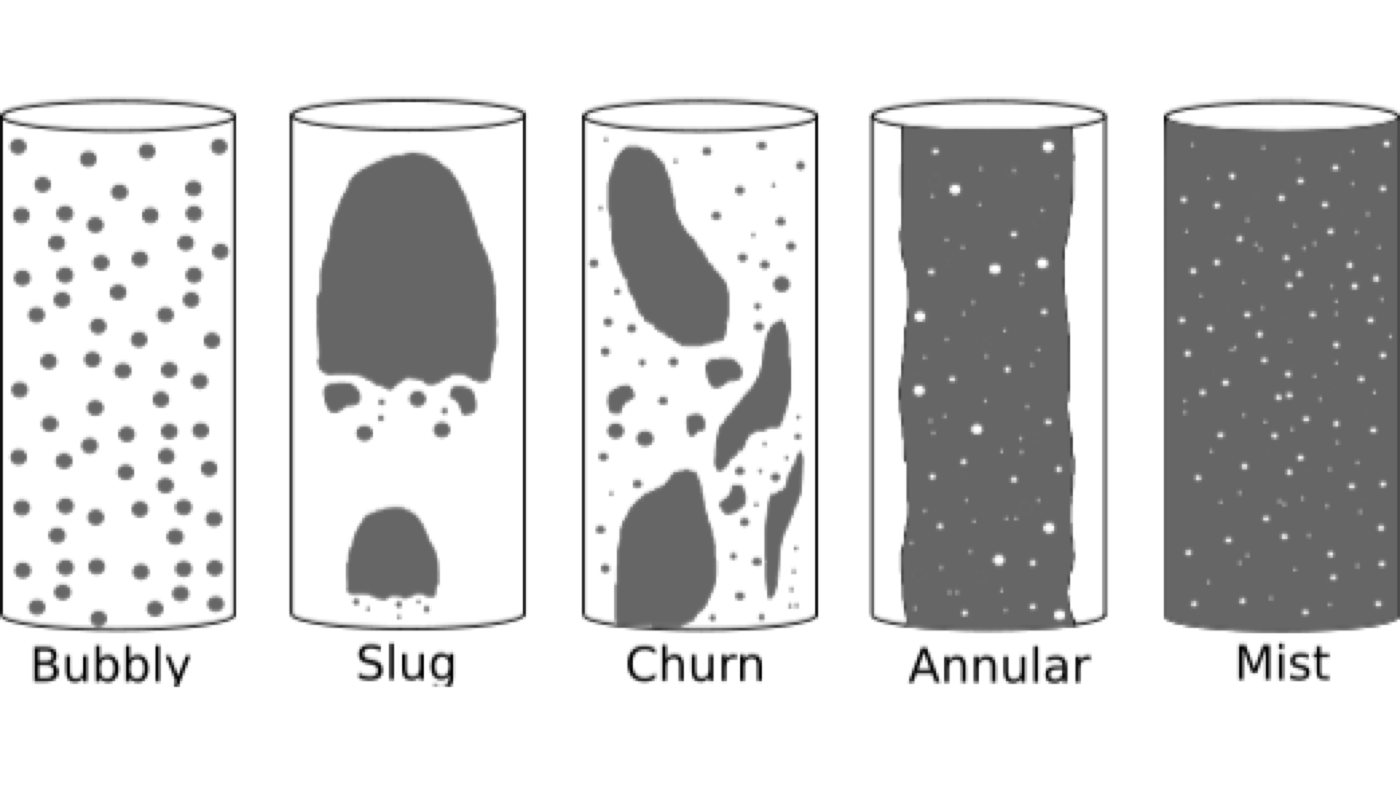
- Slugging and Pulsation Insights: Multiphasic phenomena like slugging and gas pulsation are challenging. Field experience taught me some practical tricks, acoustic signals can guide operational decisions:
- In a gas pulsating scenario, gas peak rate will need to be capped for facilities with limited gas handling capacity. You would observe high-pitched and hissing noise that indicates high gas content. Time to reduce high-GOR flow rates.
- In a liquid slugging scenario, you would observe low-frequency rumbling and periodic vibrations indicate high liquid fractions. Time to consider increasing flow from high-GOR wells to sweep out the liquids.
- Also, keep in mind: the location of these high-GOR wells significantly impacts their effectiveness!
These strategies highlight the value of practical and hands-on engineering. Your ears and instincts can outperform models built on limited data!
Have you ever used similar strategies in your operations? I’m eager to hear your insights or experiences!
#PetroleumEngineering #GasLift #MultiphaseFlow #PipelineManagement #FlowAssurance #OilAndGasInnovate