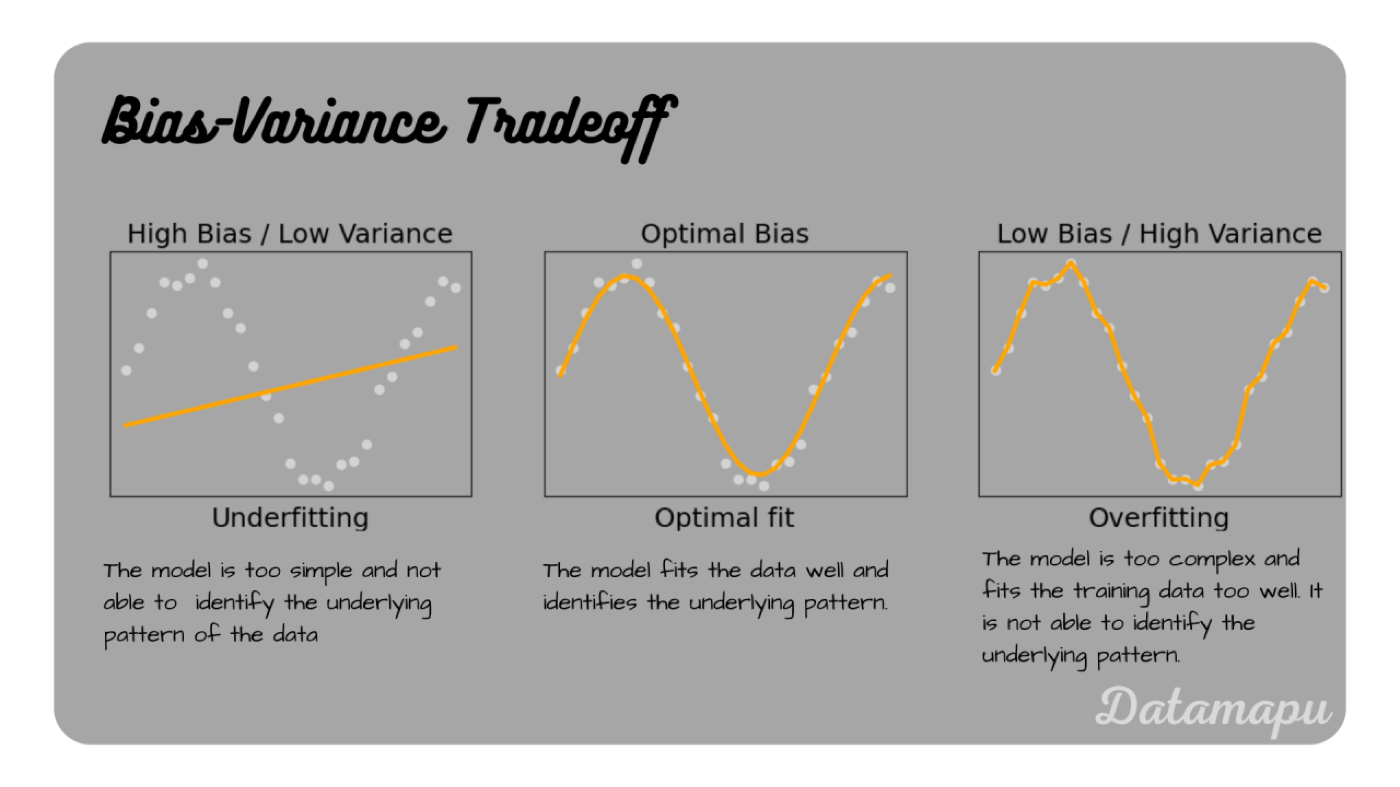
History matching (HM) is a cornerstone of petroleum engineering, often viewed as more art than science. The process involves meticulously verifying and collecting data, selecting parameters, and adjusting correlations (similar to training regression models) to align with observed historical production data. Despite the significant effort and computational expense, the predictive range often remains limited, and reliability decreases as operational parameters deviate further from the historical match period. This iterative cycle can feel endless, constantly chasing new data.
A major challenge in history matching is evaluating the predictive accuracy of the model. What’s the expected error when forecasting future behavior? Unlike machine learning, HM often lacks rigorous and quantitative validation frameworks. Assessments frequently rely on intuition and experience rather than formalised test-error metrics.
In contrast, machine learning (ML) offers a more structured and data-driven framework for model development and evaluation. A central concept in ML is the bias-variance trade-off. The concept describes the relationship between a model’s complexity, the accuracy of its predictions, and how well it can make predictions on previously unseen data that were not used to train the model.
- Bias refers to errors introduced by overly simplistic models that fail to capture the complexity of the real-world system. For example, using a black-oil model in a reservoir with highly volatile oil may ignore essential compositional dependencies, resulting in consistently poor predictions no matter how much historical data is available.
- Variance captures sensitivity to small fluctuations in training data. High-variance models are overly tuned to the specifics of the historical data and fail to generalize. When an engineer claims to have perfectly matched historical production in a complex setting, such as a composite reservoir without any geological backing, alarm bells should ring.
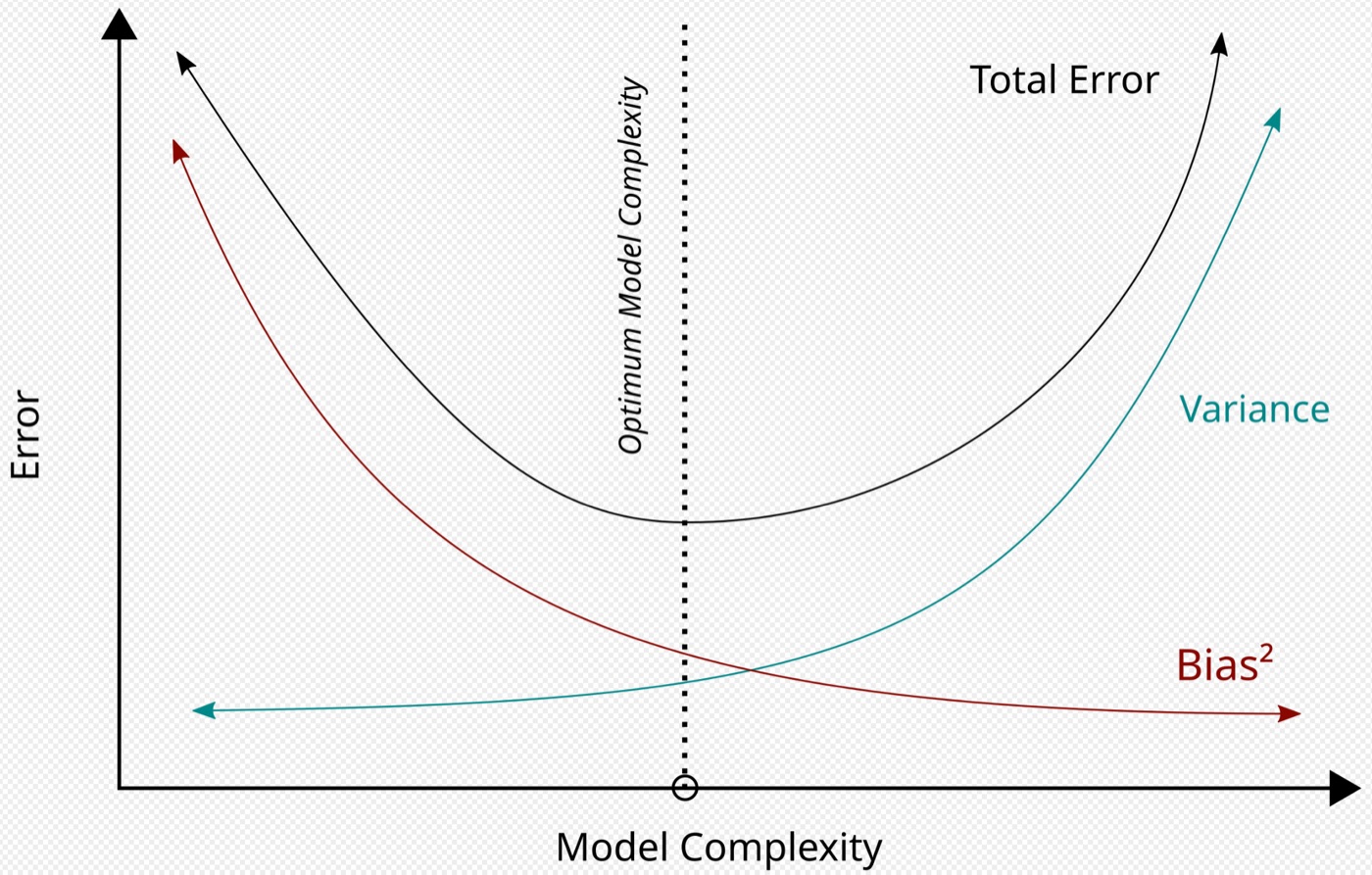
Source: Wikipedia
ML tackles this trade-off by splitting available data into training and test sets. Models are trained on the former (paralleling HM efforts) and evaluated on the unseen test data that serves as a proxy for future performance. Crucially, ML practitioners avoid judging models solely on training error, a misleading metric when it comes to true predictive power. Model selection considers robustness under changing conditions, for example declining productivity due to gas or water breakthrough. Sometimes, the most useful model is not the one with the lowest error, but the one that highlights a deviation worthy of engineering attention.
However, ML is not a panacea. While it is generally faster, cheaper, and more scalable than traditional HM, it lacks the ability to explain causality. ML identifies patterns and correlations, but it doesn’t tell you why something is happening. In contrast, HM, anchored by domain expertise, leverages physical principles and contextual insights, often guided by empirical understanding built over decades. Ultimately, the goal of modelling is not just to minimise error, but to unlock critical insights from the reservoir black box.
The sweet spot may lie in integrating the two: combining ML’s rigorous validation techniques with the physical fidelity and experience-driven approach of HM. This synergy can yield more reliable, insightful and scalable models.