Every petroleum engineer, especially production engineer, should be familiar with the common flow meters used in the oil and gas industry.
Not necessarily as intimately as a Metering Technician or Engineer, but enough to be a confident user. I like to call this a “pro-consumer” level of knowledge.
Because accurate measurement isn’t just about numbers. It’s about safety, operational efficiency, and most importantly… Ka-ching!
Whether it’s production allocation, custody transfer, or monitoring field operations, flow meters play a critical role in ensuring hydrocarbons are measured with precision and integrity.
Common Flow Meters in Oil & Gas
1. Differential Pressure (DP) Flow Meters
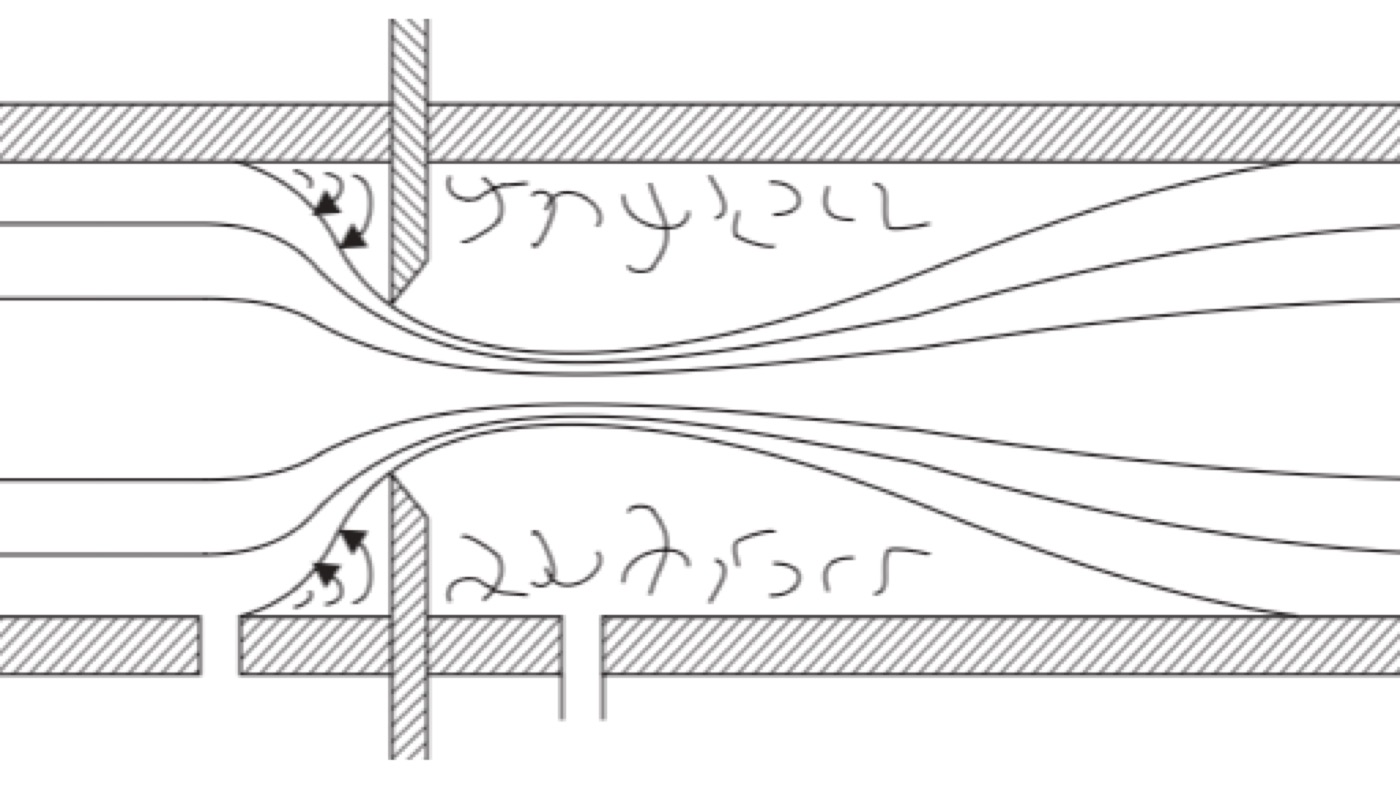
- How they work: Measure the pressure drop across an obstruction (orifice plate, Venturi tube, or flow nozzle).
- Strengths: Simple, rugged, widely used.
- Limitations: High permanent pressure loss, frequent calibration needed.
- Applications: Production facilities and well testing, ideal when cost and simplicity outweigh ultra-high accuracy.
- Installation: Meter below the pipe is recommended for liquid service to keep impulse lines filled and avoid gas pockets. Meter above the pipe is preferred for gas service to prevent liquid accumulation in the lines. Improper orientation can also lead to phase separation in the impulse lines, causing measurement errors.
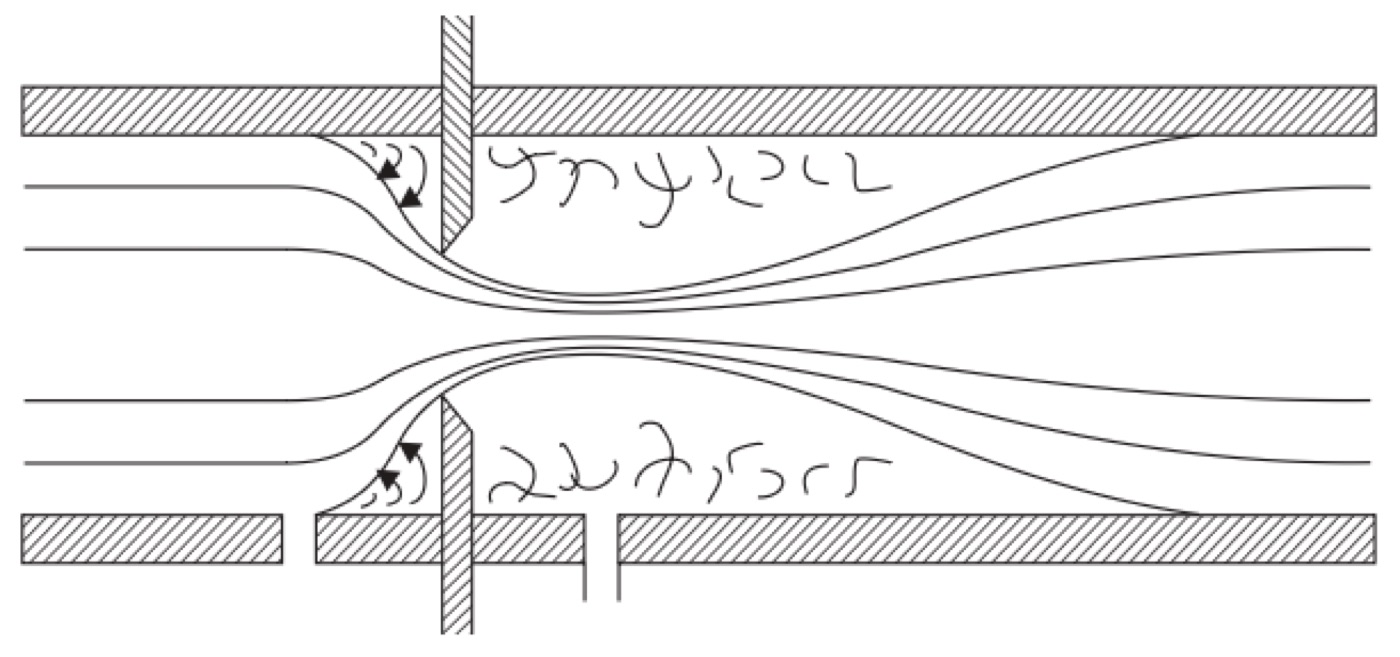
Orifice Flow Meter
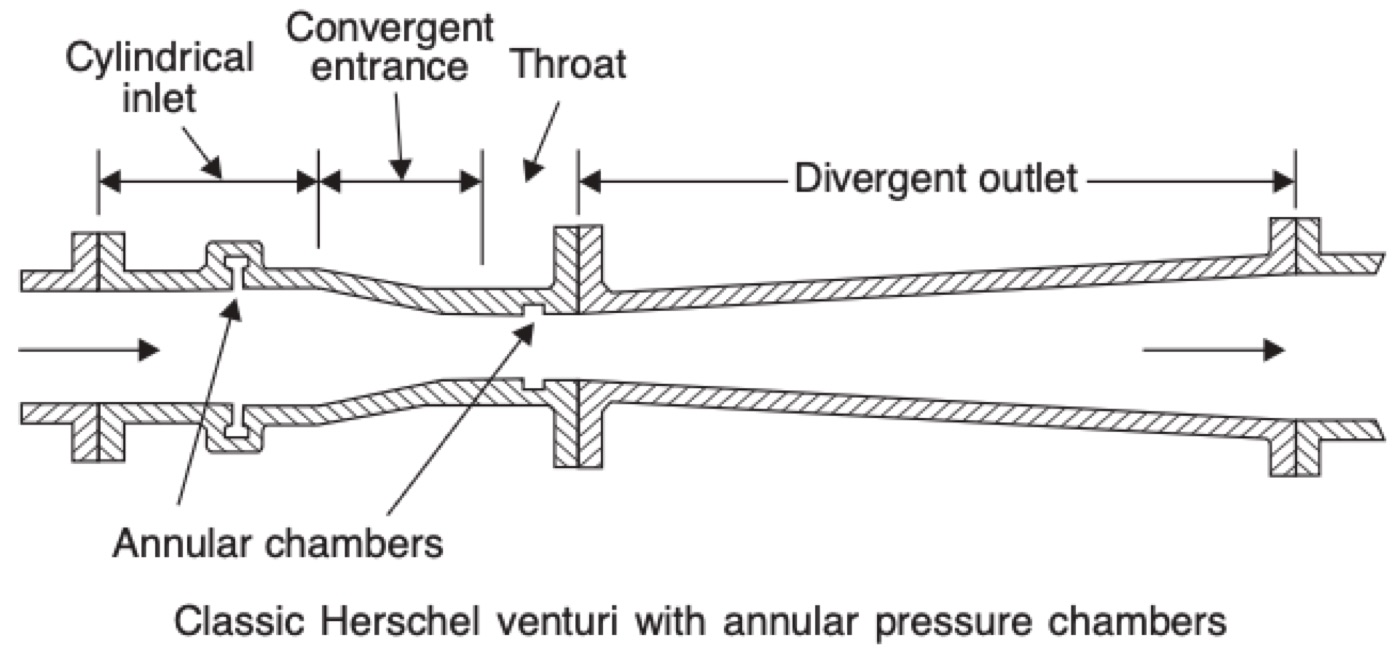
Venturi
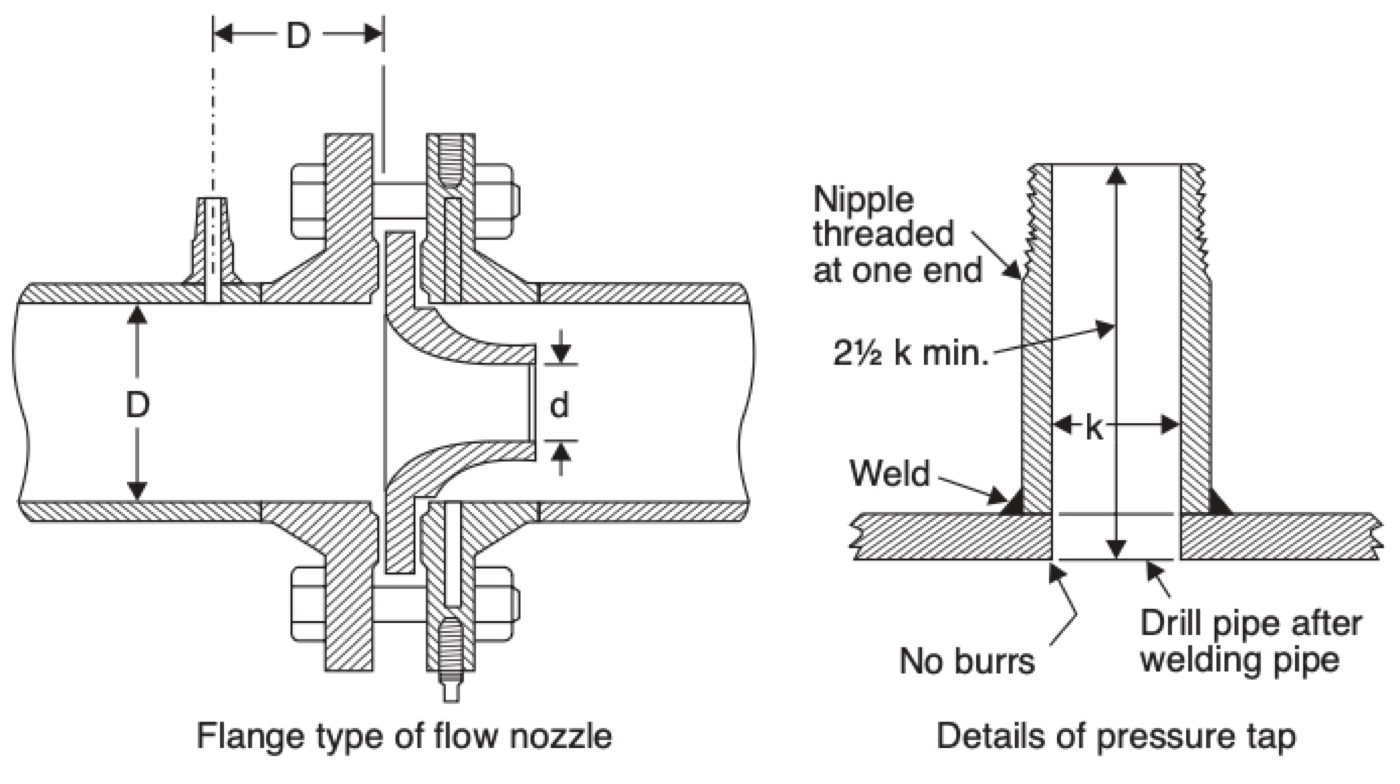
Flow Nozzle
2. Turbine Flow Meters
- How they work: A rotor spins proportionally to flow velocity.
- Strengths: High accuracy, long-established for custody transfer.
- Limitations: Sensitive to debris, requires regular maintenance.
- Applications: Clean fluids in midstream and downstream.
- Installation: Requires long straight run to minimise swirl and turbulence. Horizontal orientation is preferred, but vertical is acceptable if flow is upwards
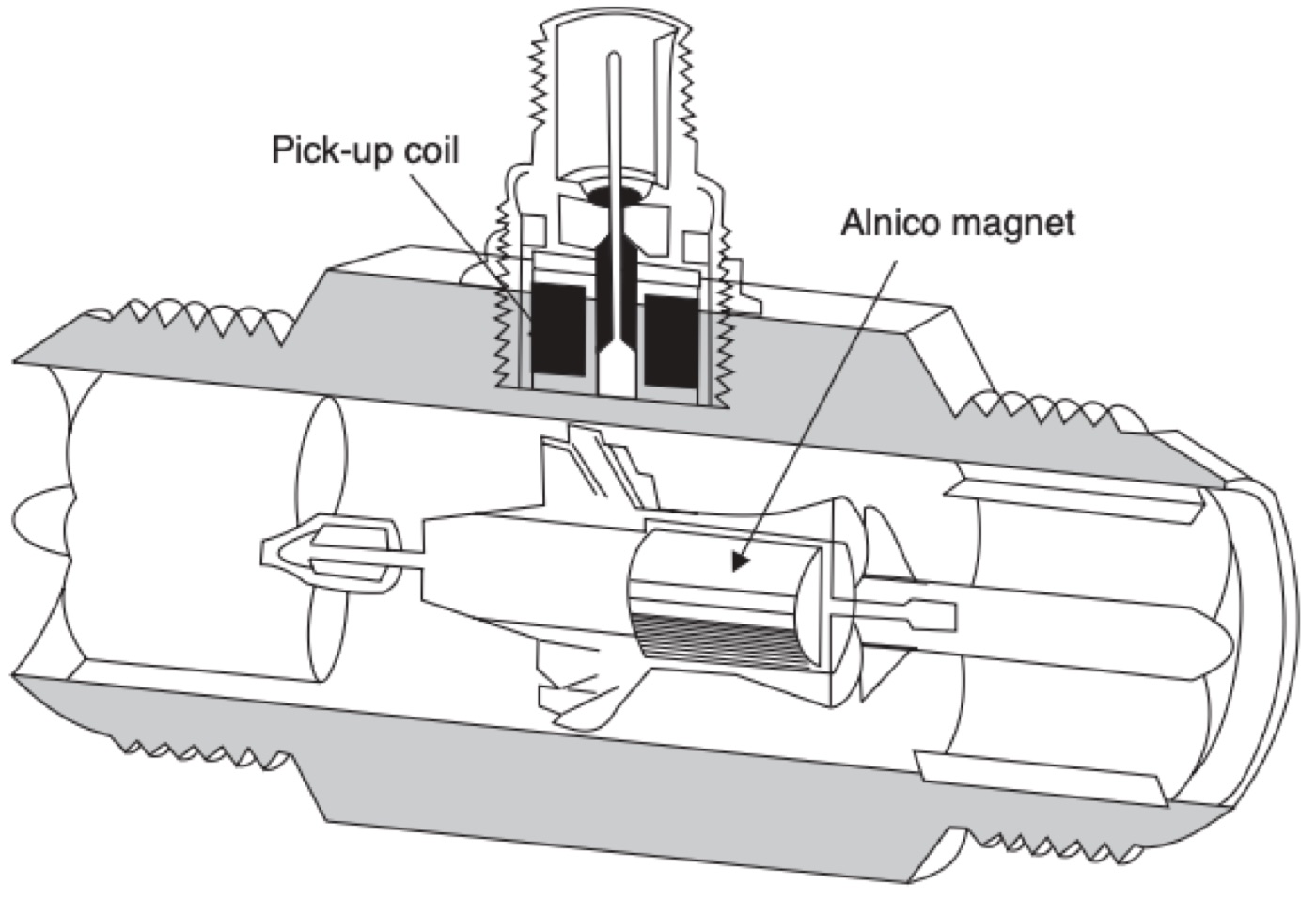
Turbine Flow Meter
3. Coriolis Flow Meters
- How they work: Use vibrating tubes to directly measure mass flow and density.
- Strengths: Extremely accurate; no need for separate density meters.
- Limitations: High upfront cost, limited for very large pipelines.
- Applications: Multiphase and fiscal metering where accuracy = revenue.
- Installation: Avoid trapped gas in liquid service. Support piping avoid vibration transfer, which can interfere with oscillation.
The physics behind the Coriolis force isn’t straightforward, I must admit. But what matters is the outcome: one of the most accurate flow measurement technologies we have, capable of dealing with complex, sometimes even multiphase conditions.
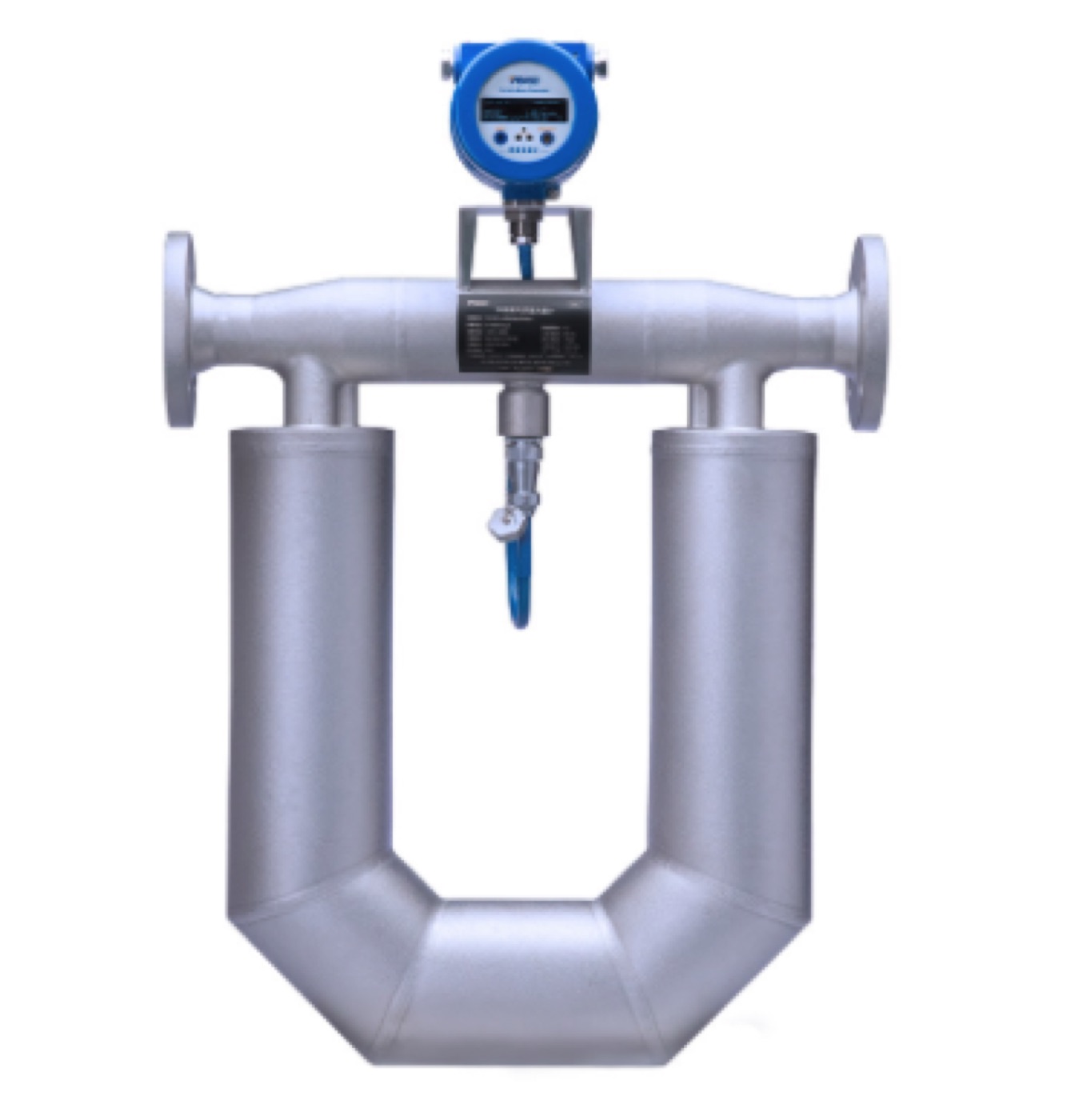
4. Ultrasonic Flow Meters
- How they work: Measure the transit time of sound waves across flowing fluid.
- Strengths: Non-intrusive, minimal pressure drop, great for large lines.
- Limitations: Accuracy impacted by bubbles and solids.
- Applications: Dominant in natural gas transmission custody transfer.
- Installation: Need long straight run upstream and downstream to avoid distorted velocity profiles. Avoid installation near valves, elbows, or pumps.
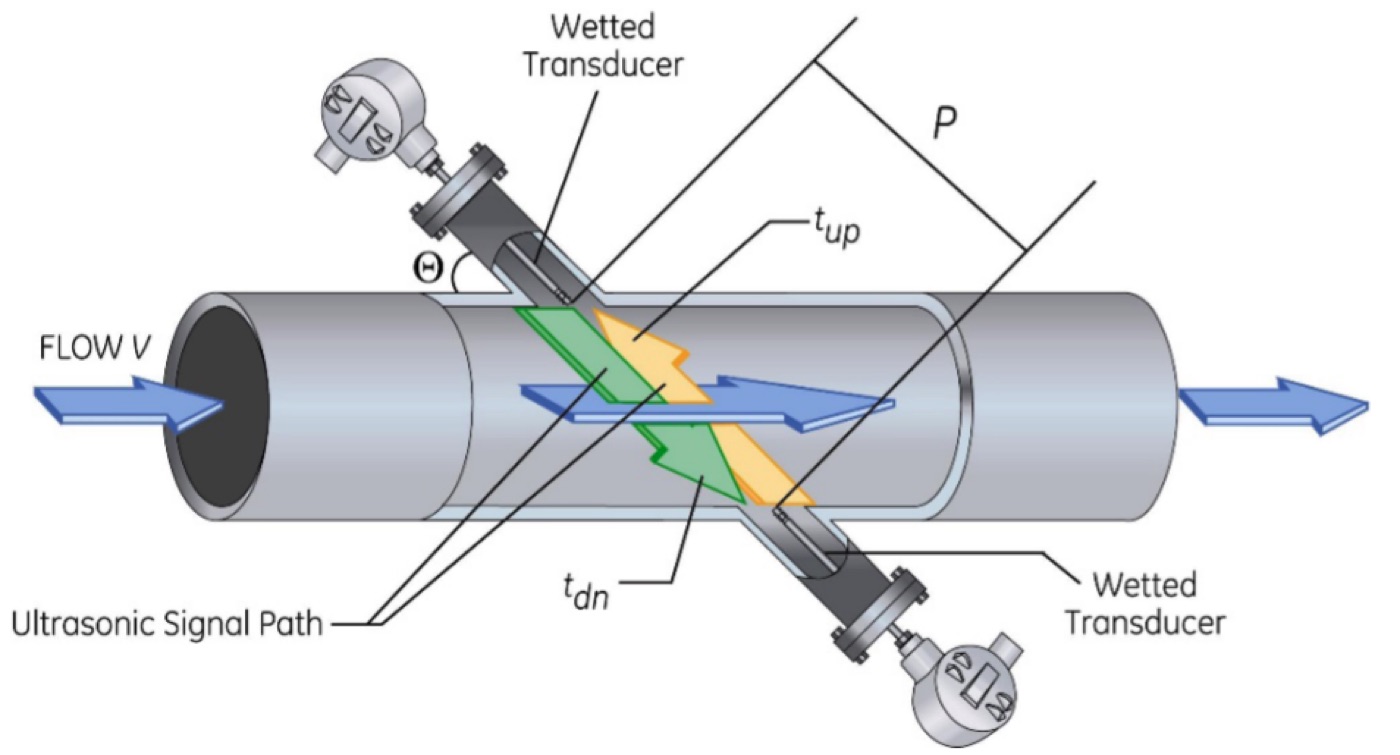
Ultrasonic Flow Meter. Credit: Baker Hughes
5. Electromagnetic Flow Meters (EMF)
- How they work: Based on Faraday’s law of electromagnetic induction, conductive water moving through a magnetic field induces a voltage proportional to velocity.
- Strengths: Perfect for high-salinity water in CSG, non-intrusive, minimal pressure loss, can handle slurries and solids.
- Limitations: Cannot measure hydrocarbons directly (oil/gas are non-conductive).
- Applications: Widely used in upstream CSG operations to measure produced water flow.
- Installation: electrodes should be oriented horizontally to avoid gas bubbles or debris deposition. Avoid nearby strong electromagnetic interference, e.g. variable speed drives
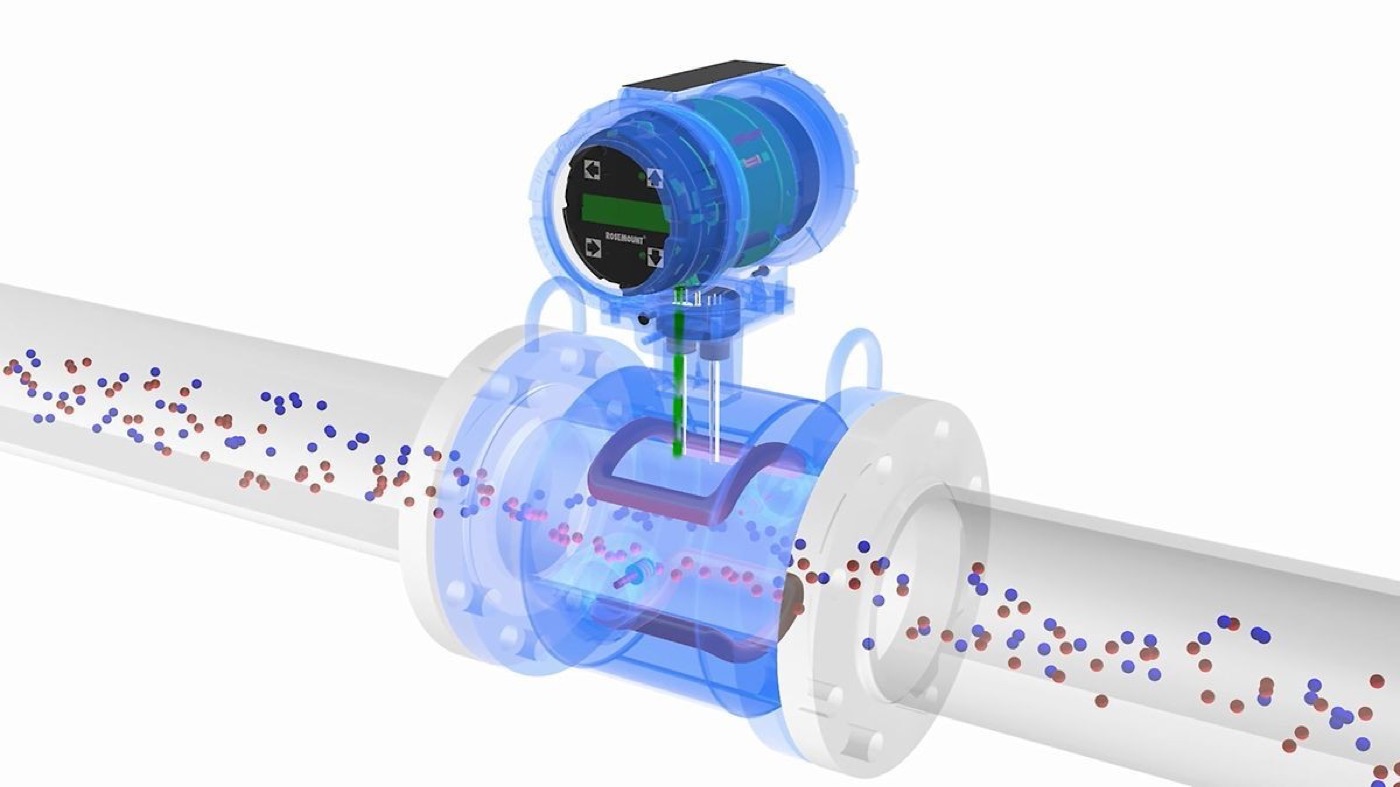
EMF. Credit: Emerson
6. Vortex Flow Meters
- How they work: Detect vortices shed by a bluff body in the flow stream.
- Strengths: Robust, suitable for steam, liquids, and gases.
- Limitations: Accuracy drops at low flow rates.
- Applications: Utilities and auxiliary systems rather than custody transfer.
- Installation: Need straight run upstream/downstream. Avoid installation near elbows, reducers or control valves.
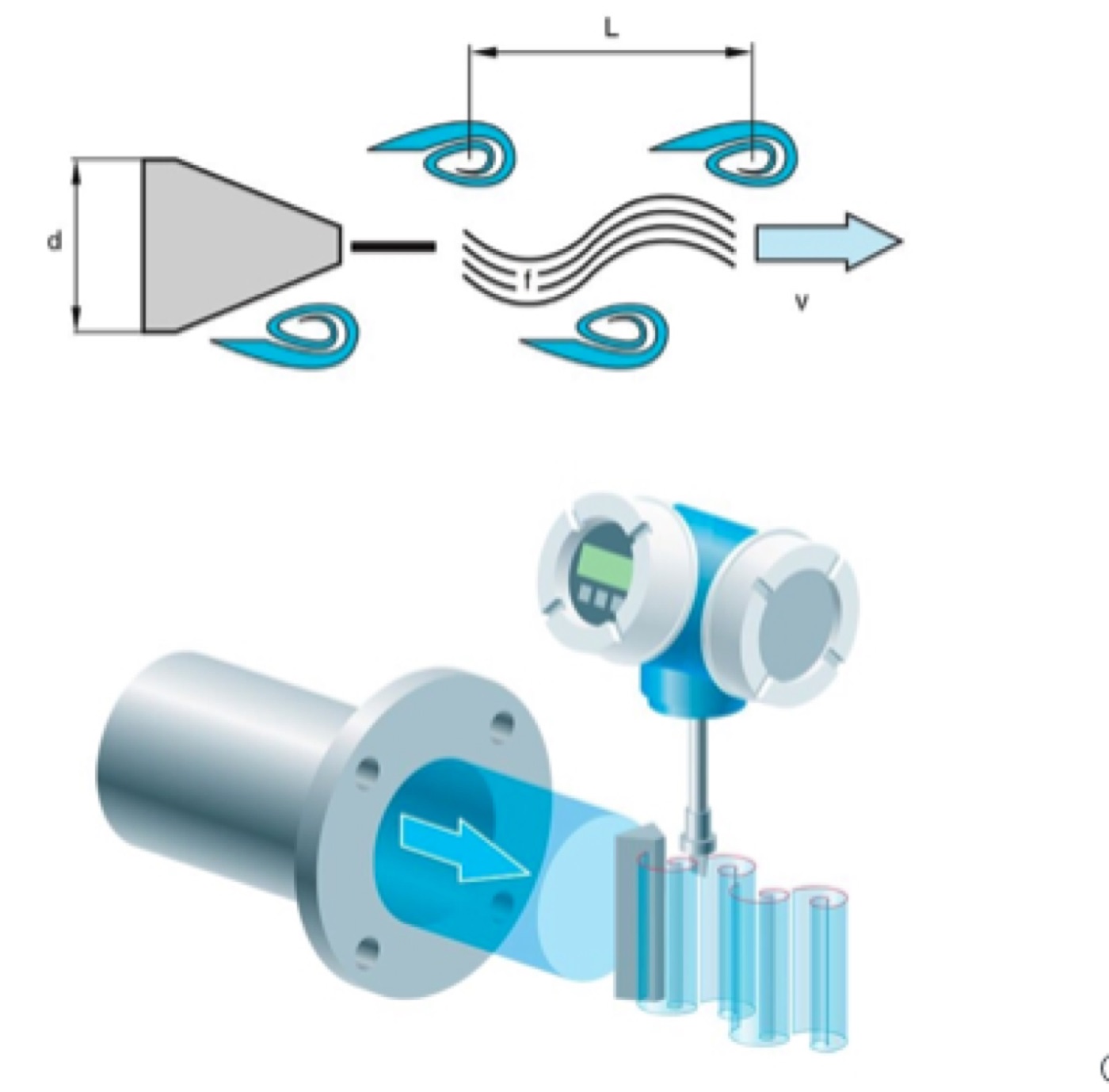
Vortex Flow Meter. Credit: Endress+Hauser
What Affects Accuracy Across All Flow Meters?
From field experience and instrumentation standards, accuracy depends on:
- Fluid Properties: Conductivity (EMF), viscosity (turbine), gas compressibility, entrained solids, etc.
- Installation Conditions: Straight-run lengths, full pipe condition, tapping positions, electrode orientation.
- Calibration & Proving: Requirements vary by application, regulation, and JV agreements. Custody transfer meters, in particular, require regular proving.
- Maintenance: Inspection for wear, blockages, fouling, and sensor cleaning/soaking.
Practical Takeaways
✅ No universal “best” meter: the right choice depends on purpose, fluid, and economics.
✅ EMF meters are game changers for produced water in CSG.
✅ Calibration & proving are non-negotiable: accuracy drifts over time.
✅ Installation is half the battle: even the best meter will underperform if poorly installed.
✅ Lifecycle cost matters more than capex: the cheapest meter upfront may be the most expensive long term.
Final Thoughts
Flow meters may not be the most glamorous piece of oilfield equipment, but they are truly the cash registers of our industry. The right choice, and proper upkeep, can mean the difference between trust and dispute, profit and loss.
🔜 Coming up next: I’ll dive into Multiphase Flow Meters (MPFM), a special category of meters designed to measure oil, water, and gas simultaneously without prior separation. They deserve their own spotlight… so stay tuned for the next article!
Reference:
Miriyala, H. (no date) “Industrial Instrumentation Flow.”